40 devices across our authorised manufacturer partners.
Showing 40 products
ENT - RF Ablation Probes
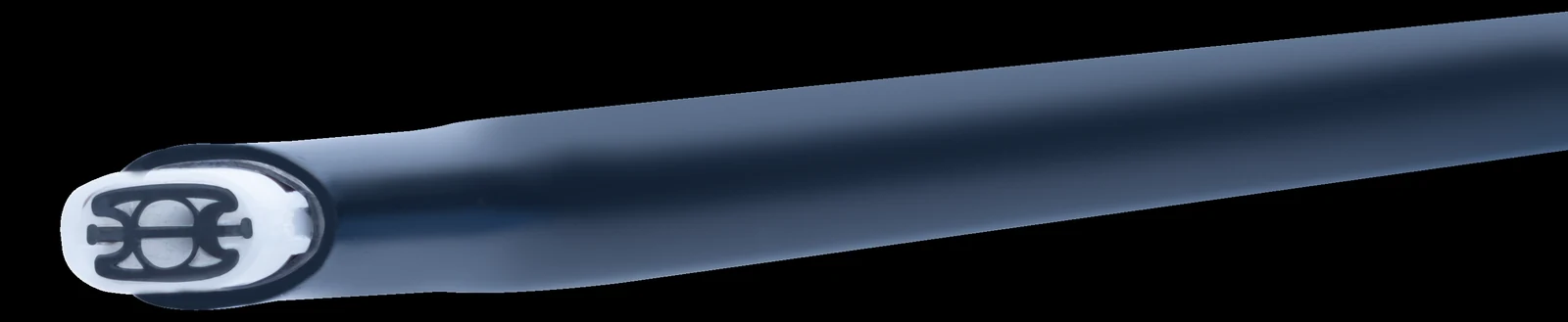
MYRAC Tonsillectomy Probe (MYC-70T)
Meril ENT (MYRAC)
Cold-ablation tonsillectomy probe with tri-wire electrode for simultaneous cutting and coagulation, minimizing intraoperative bleeding and supporting faster recovery.
Tri-wire electrode for focused ablation
Simultaneous cutting & coagulation
Minimizes intraoperative bleeding
Supports faster recovery with cold ablation technique
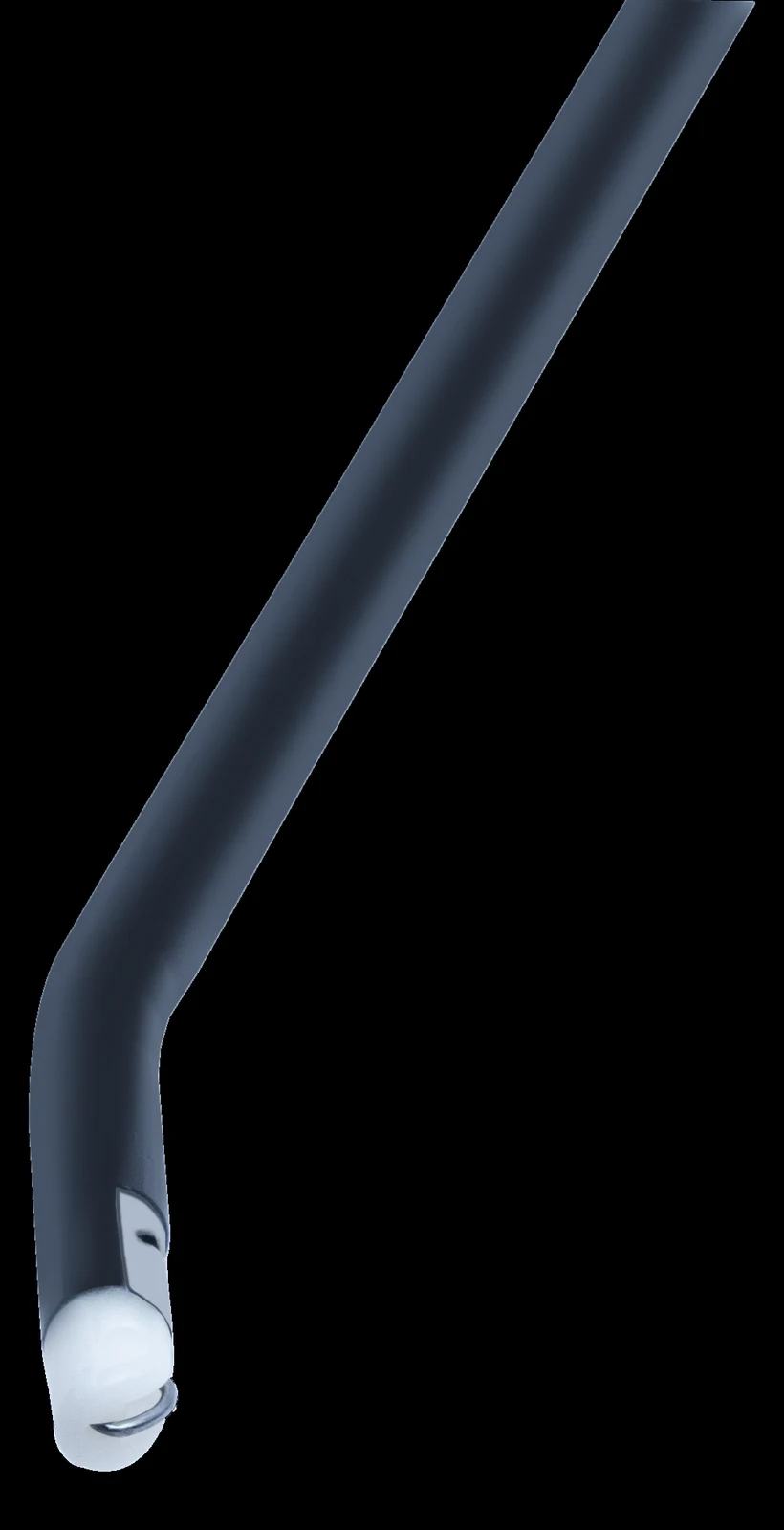
Flat-tip probe optimized for rapid adenoid tissue removal with integrated suction and a malleable shaft for precise nasopharyngeal access.
Flat tip for rapid tissue removal and hemostasis
Minimizes tissue charring
Broad suction for clear visibility and less bleeding
Malleable shaft for precise nasopharyngeal access
ENT - RF Ablation Probes
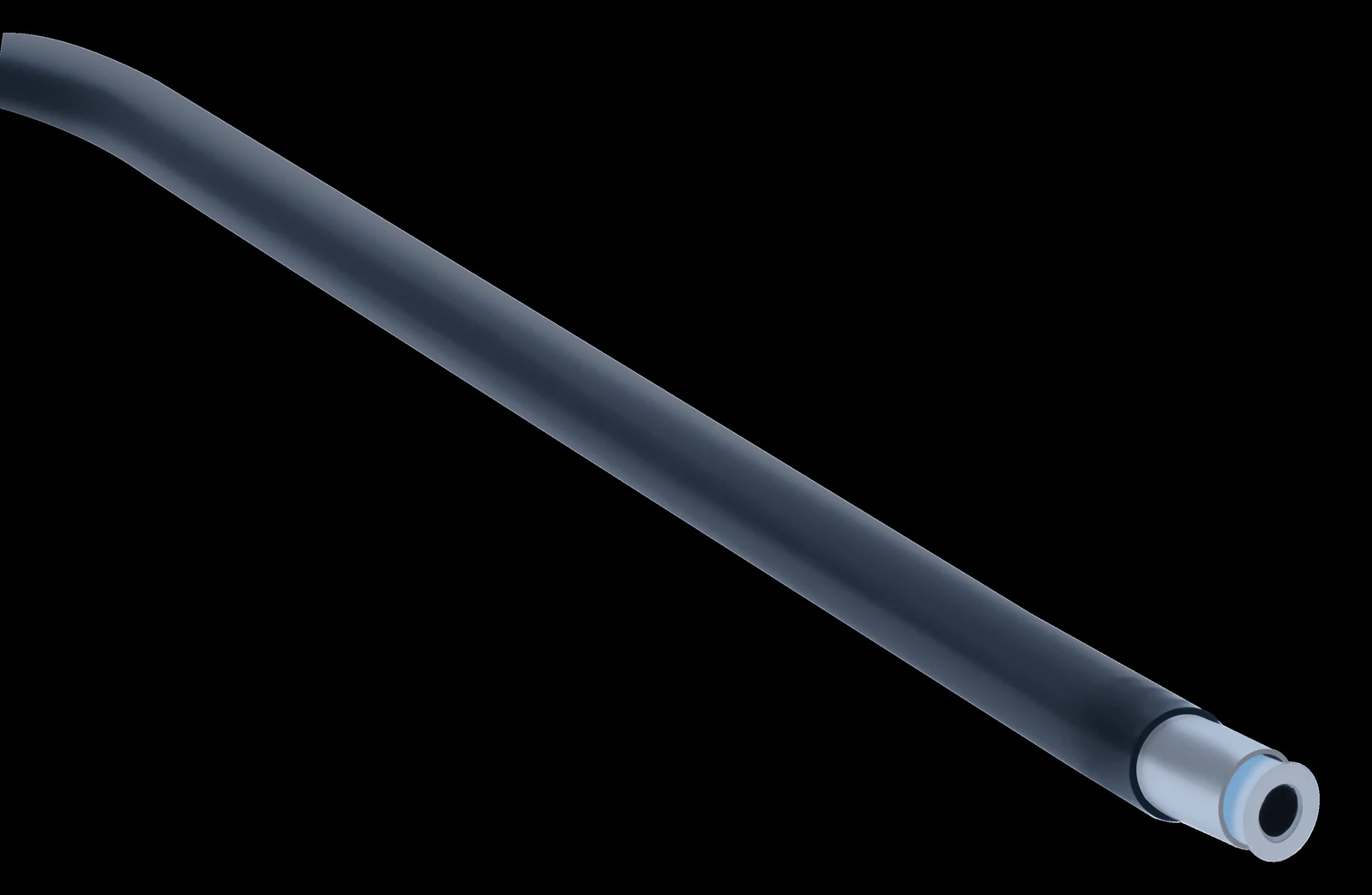
MYRAC Laryngeal Probe (MYC-60L)
Meril ENT (MYRAC)
Long-tip probe designed for tracheal stenosis and laryngeal lesions, giving deep, precise access with excellent visibility in narrow spaces.
Long tip for deep access to laryngeal and tracheal regions
Excellent visibility in narrow spaces
Malleable shaft for angled, precise navigation
Smooth tip enables delicate ablation with reduced thermal injury
ENT - RF Ablation Probes
MYRAC Mini-Laryngeal Probe (MYC-60ML)
Meril ENT (MYRAC)
Slim, long-tip probe designed for pediatric and narrow airways, enabling precise subglottic access and safe tissue removal with minimal trauma.
Long, slim tip for precise subglottic access
Minimizes trauma, post-op edema, and hoarseness
Malleable shaft for easy navigation in tight spaces
Optimized for pediatric and delicate airway anatomy
ENT - RF Ablation Probes
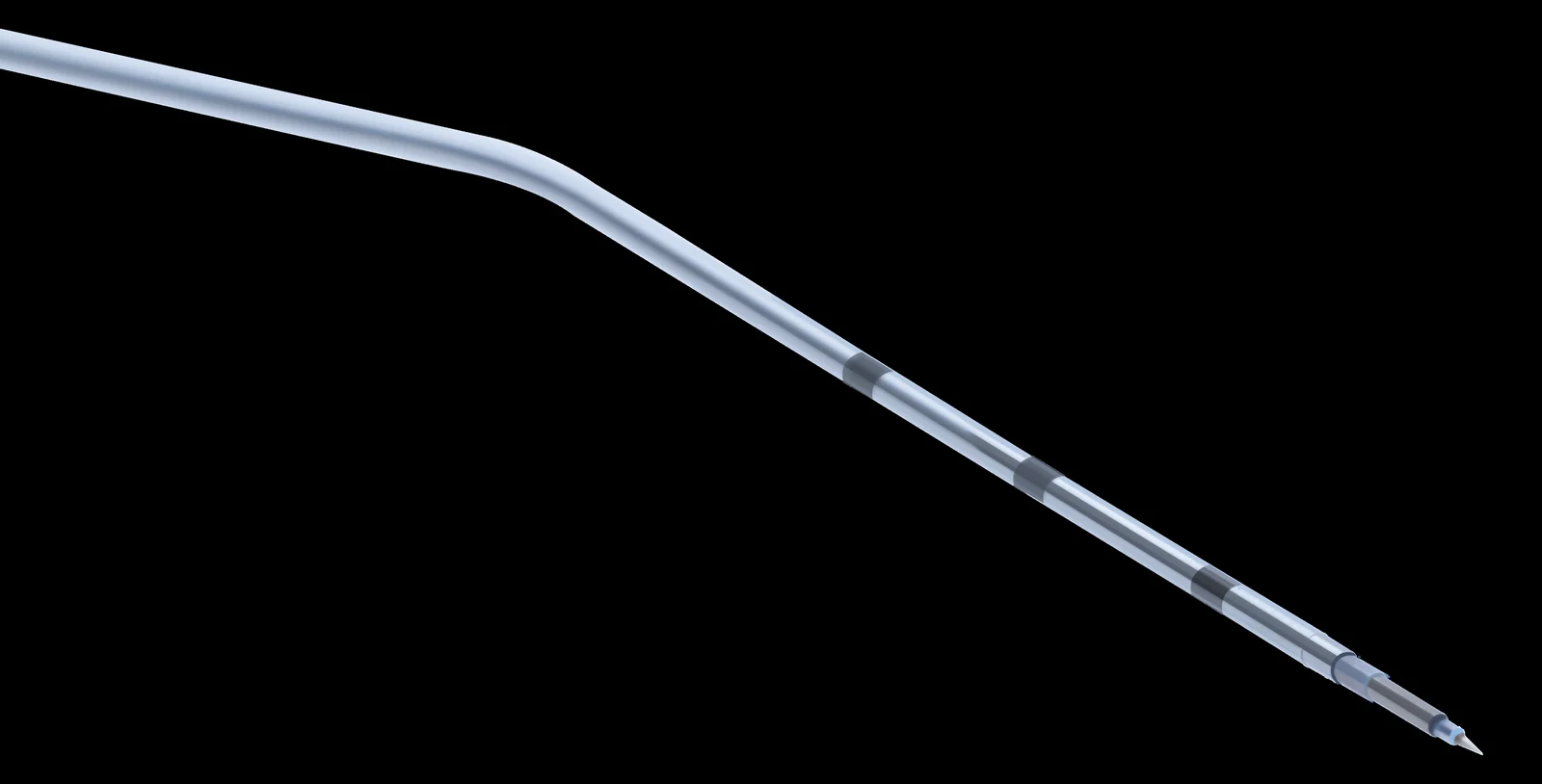
MYRAC Nasal Turbinate Probe (MYC-45T)
Meril ENT (MYRAC)
Sharp-tip probe for precise submucosal ablation with three ablation ports, enabling controlled, uniform turbinate tissue reshaping.
Sharp tip for effortless submucosal entry
Minimally invasive and effective design
Triple ablation ports for even energy distribution
Precision control for targeted turbinate reduction
Biliary Stent
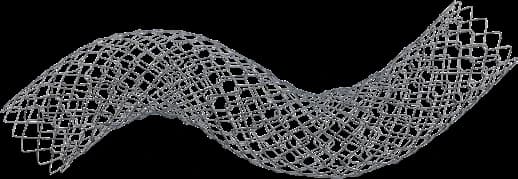
S Biliary Stent (Uncovered)
Taewoong Medical (Niti-S)
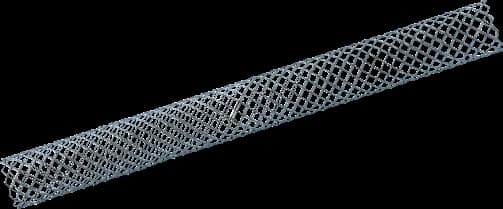
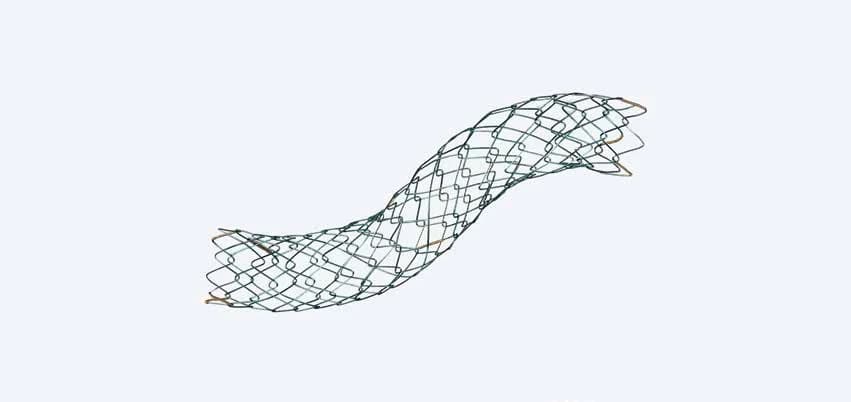
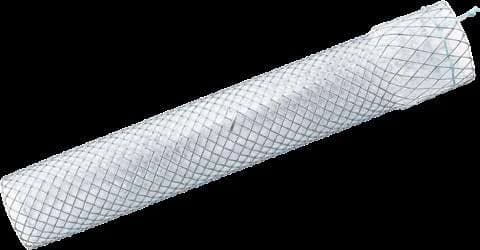
A Niti-S uncovered braided nitinol biliary stent used for palliation of malignant biliary strictures, available for both endoscopic and percutaneous placement.
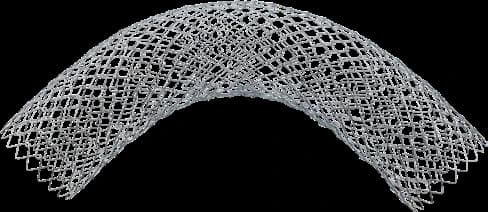
Fixed cells with a braided construction for flexibility and fracture resistance
Atraumatic ends causing less hyperplasia at the edges
Radiopaque markers: 3 at both ends and 2 in the middle
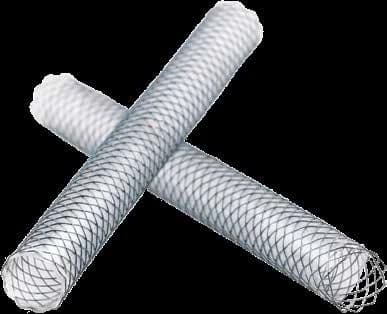
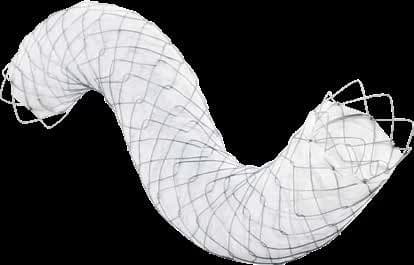
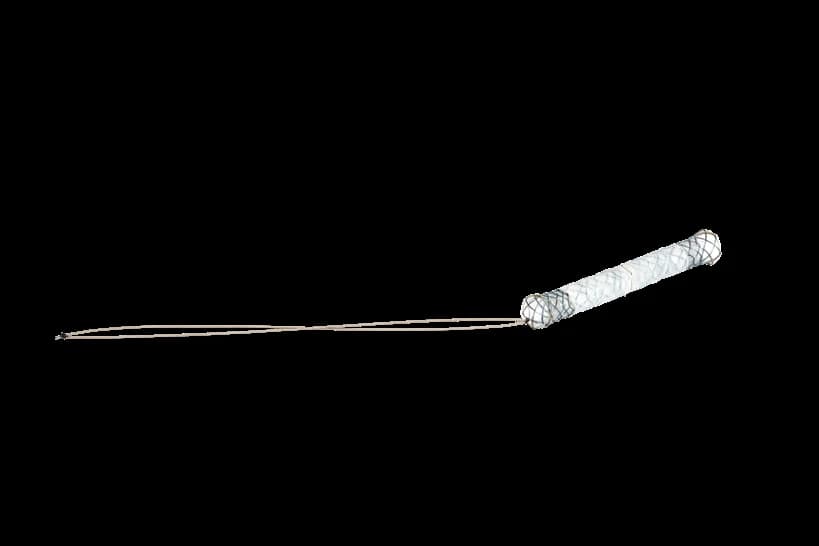
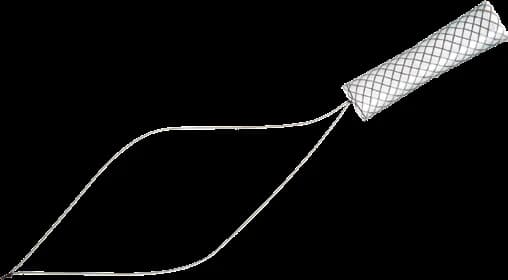
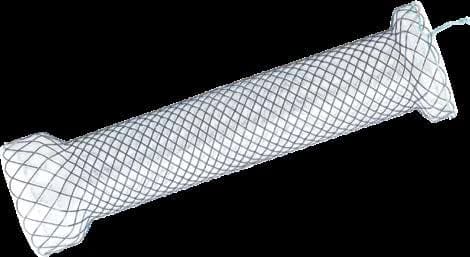
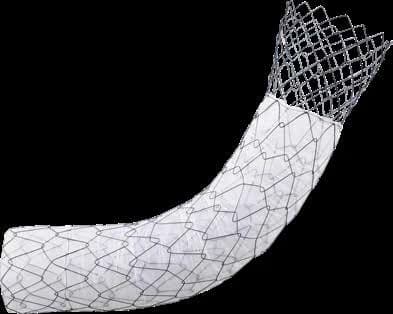
A silicone-covered braided nitinol biliary stent for benign and malignant biliary strictures, designed to prevent tumor ingrowth while allowing smooth bile flow and safe removal.
Fixed cell braided construction, flexible and fracture resistant
Atraumatic ends reduce edge hyperplasia
Silicone covering on both inner and outer surfaces prevents tumor ingrowth and helps bile flow
Retrieval string facilitates safe, smooth removal
Radiopaque markers: 3 at both ends and 2 in the middle
Sizes: Diameter 6-10mm, Length 4-12cm (8-8.5Fr delivery); available fully covered or with both ends 5mm bare
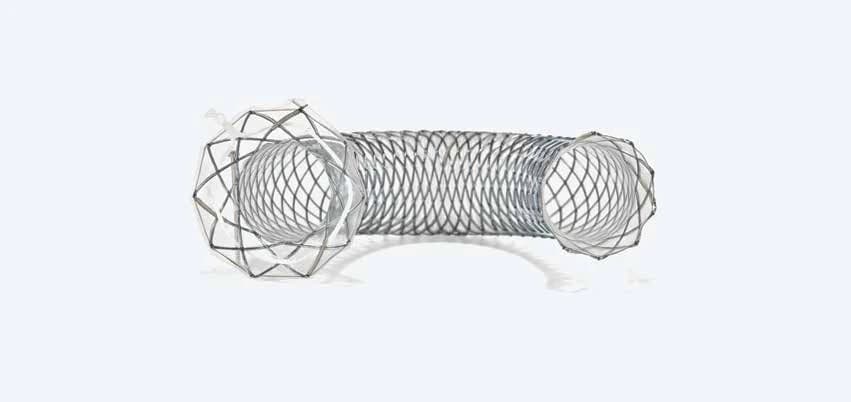
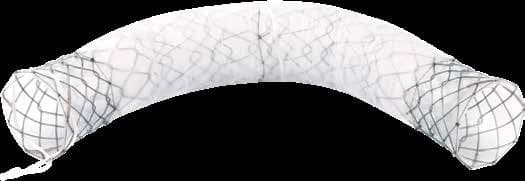
A fully silicone-covered biliary stent with differently angled flared ends for benign and malignant biliary duct strictures, engineered to resist migration.
Full silicone-covered body prevents tissue ingrowth
Flares at both ends with different angles effectively prevent migration
Proximal retrieval string for easy removal or repositioning
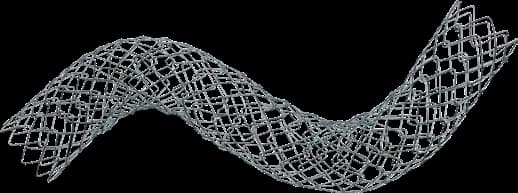
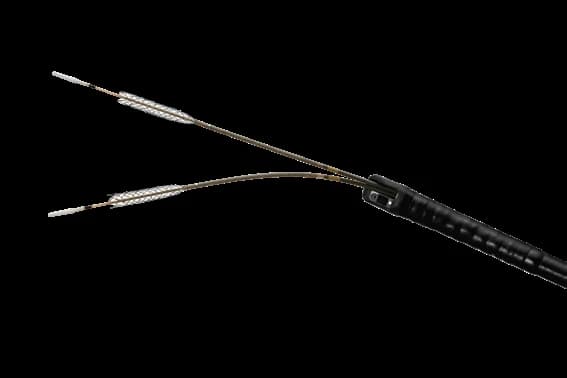
A biliary stent for malignant hilar strictures designed with a large weaving cell structure and a slim 6Fr delivery system that enables smooth side-by-side (two-stent) deployment.
Braided and weaving construction reduces foreshortening while preserving conformability
Smooth side-by-side stenting: two 6Fr delivery systems can be introduced simultaneously into the working channel for hilar strictures
Radiopaque markers: 3 at both ends and 2 in the middle
Sizes: Diameter 6-10mm, Length 4-12cm; slim 6Fr delivery system for side-by-side hilar stenting (7-8Fr also available)
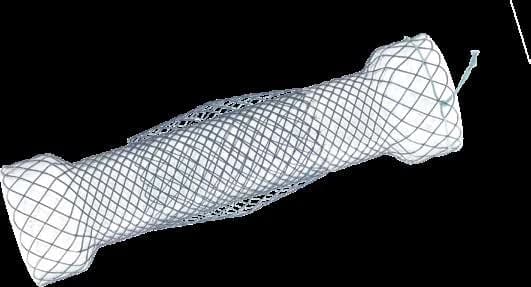
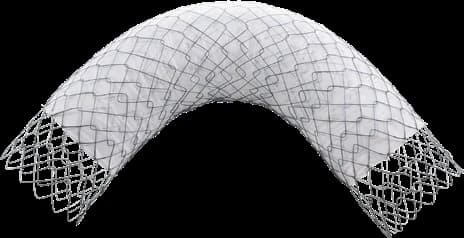
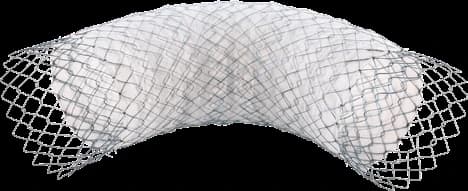
A triple-layered partially covered biliary stent for malignant biliary obstruction that combines an unfixed-cell nitinol mesh with a PTFE membrane to resist both tissue ingrowth and migration.
Triple layered construction: biocompatible PTFE membrane held between inner and outer nitinol mesh
Unfixed cell structure conforms to the shape of the bile duct
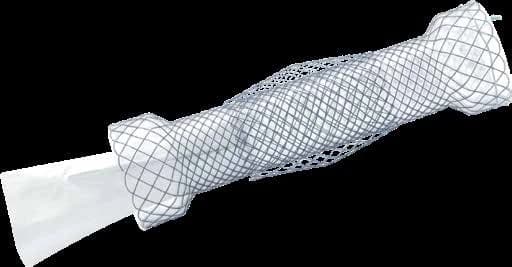
A fully covered biliary/pancreatic stent for benign biliary and pancreatic strictures, designed with irregular cell sizes to protect side-branch ducts and reduce the risk of pancreatitis.
Irregular cell sizes and segmental radial force avoid fully compressing side branches, reducing risk of pancreatic sepsis or pancreatitis
Fully PTFE (body) and silicone (flared ends) covered with a removal string for easy extraction
Both flared ends prevent migration
Radiopaque markers: 3 at both ends and 2 in the middle
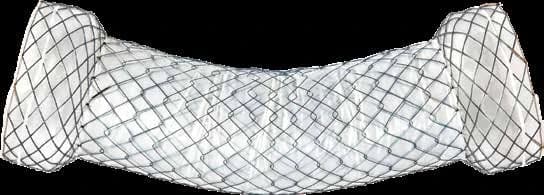
A short, fully covered biliary stent with a characteristic mid-body waist, designed for anastomotic strictures after liver transplantation with a long retrieval string for easy high-CBD removal.
Characteristic waist at the mid-portion for strong radial force and migration resistance
Short stent length limits pressure over normal duct, reducing necrosis/fibrosis risk
Long platinum radiopaque retrieval string aids removal from high locations in the CBD
Radiopaque markers: 3 at both ends and 2 in the middle
A partially covered biliary stent purpose-built for EUS-guided hepaticogastrostomy, balancing bile-leak prevention with preservation of hepatic side-branch flow.
Long covered portion (~70%) prevents bile leakage between the left hepatic duct and stomach
Bare portion (~30%) avoids blockage of hepatic duct side branches and helps prevent migration into the hepatic duct
Anti-migration flared end sits outside the stomach wall
Flexible design conforms to the curved track from stomach to left hepatic duct
Radiopaque markers: 3 at both ends and 2 at the end of the covered part
Sizes: Diameter 8-10mm, total Length 6-10cm (~70% covered / 30% bare segments)
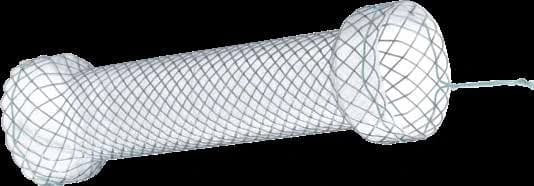
A bi-flanged, fully covered metallic stent (BFMS) for EUS-guided pancreatic pseudocyst, walled-off necrosis, and other fluid-collection drainage, with wide flare edges for anti-migration.
Wide, smooth flare edges prevent migration and luminal damage
Available in large diameters up to 16mm to optimize drainage and allow necrosectomy access
Retrieval string for repositioning or easy removal
Radiopaque markers: 3 at both ends and 2 in the middle
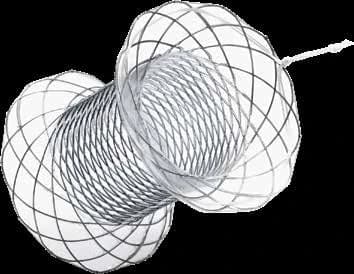
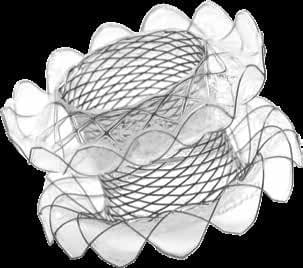
A lumen-apposing metal stent (LAMS) for EUS-guided drainage of pancreatic pseudocysts and the gallbladder, with a flexible fully silicone-coated flare design that accommodates varying wall thickness.
Prevents migration and maintains lumen apposition between adjacent organs
Fully silicone coated to prevent leakage and tissue ingrowth
Flexible flare design accommodates apposition regardless of wall thickness
Available in 8, 10 and 16mm diameters for various indications
User-friendly two-step deployment using outer/inner X-ray markers and a blue endoscopic marker
Sizes: Body diameter 8, 10 or 16mm, Flare diameter 20-25mm, Length 2cm (10Fr delivery, 180cm)
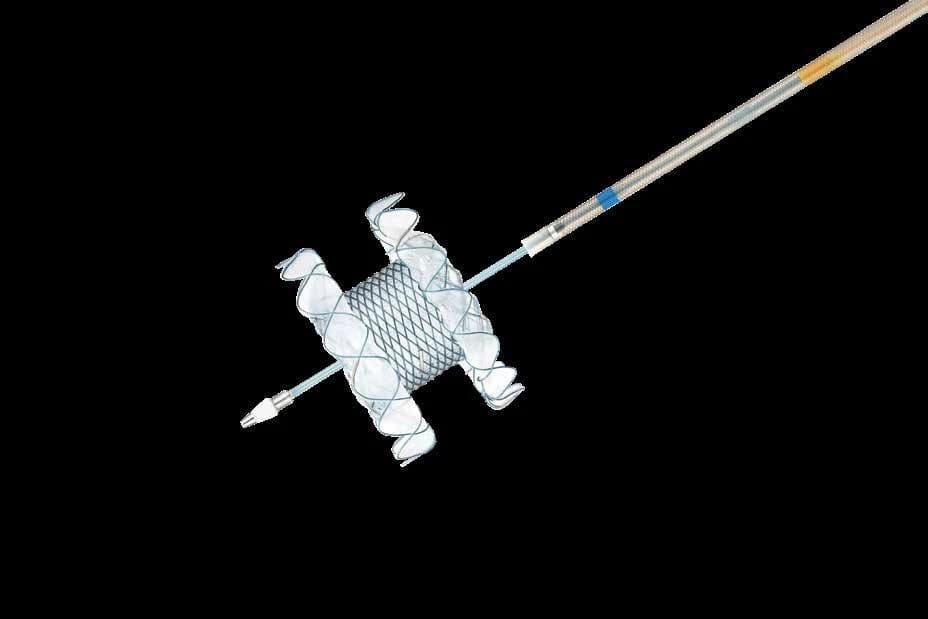
An electrocautery-enhanced version of the SPAXUS lumen-apposing metal stent, allowing direct, freehand EUS-guided access and deployment for pancreatic fluid collection or gallbladder drainage without prior tract dilation.
Electrocautery-enabled delivery system for direct puncture and deployment
Compatible with standard electrosurgical units (Pure Cut Mode 80-120W, 400-500Vp)
Prevents migration and maintains anastomotic conduit between adjacent organs
Flexible flare design accommodates various wall thicknesses
Available in 8, 10 and 16mm diameters
Sizes: Body diameter 8, 10 or 16mm, Flare diameter 20-25mm, Length 2cm (10Fr electrocautery delivery, 180cm)
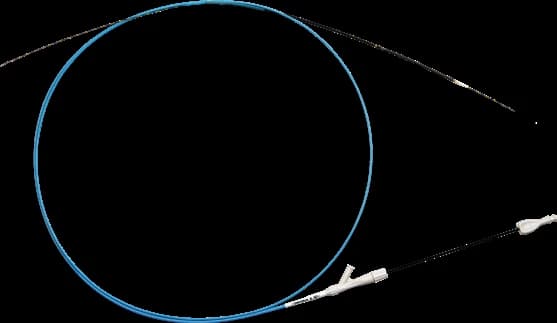
A short-wire exchange delivery platform for Niti-S biliary stents (S and D Biliary Stent Uncovered) that speeds up device exchanges during ERCP procedures.
Time saving during device exchanges and therapeutic maneuvers
Reduces fluoroscopy exposure time
Maintains guidewire access throughout the procedure
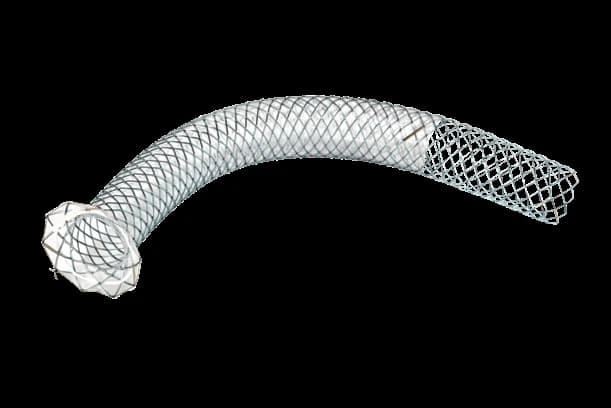
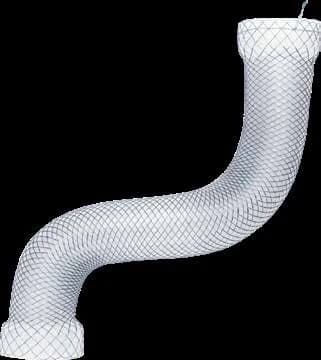
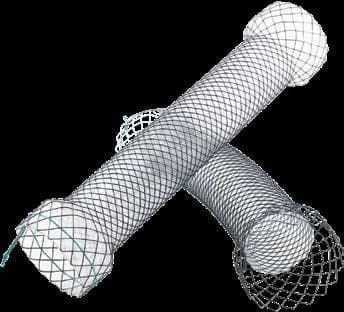
A softer, more conformable dual-structure esophageal stent for benign and malignant esophageal strictures, designed to lower radial force and minimize post-placement pain.
Gentle radial force for a less painful stent insertion
Conformable structure adapts to esophageal movement
Dual structure minimizes foreshortening for accurate positioning
Radiopaque markers: 4 at both flange ends and 2 at both body ends
A double-layered esophageal stent for malignant esophageal strictures that combines a fully silicone-covered inner layer with an uncovered outer mesh to resist tumor ingrowth and migration.
Double layered design: full silicone covering prevents tumor ingrowth
Additional uncovered outer mesh resists migration
Retrieval string at the proximal end aids repositioning
Radiopaque markers: 4 at both ends and 2 in the middle
An esophageal stent with a short proximal head design intended for upper esophageal strictures close to the upper esophageal sphincter, minimizing risk to the vocal cords.
Short proximal head design prevents damage to the vocal cords
Silicone covering reduces the risk of tumor ingrowth
Visible green suture for easy removal
Radiopaque markers: 4 at both ends and 2 in the middle
A small-diameter esophageal stent developed by Dr. Massimo Conio specifically for refractory hypopharyngeal strictures, such as after combined therapy for laryngeal cancer.
Small diameter with a specialized proximal head design for hypopharyngeal strictures
Silicone covering reduces the risk of tumor ingrowth
Visible green suture for easy removal
Radiopaque markers: 4 at both ends and 2 in the middle
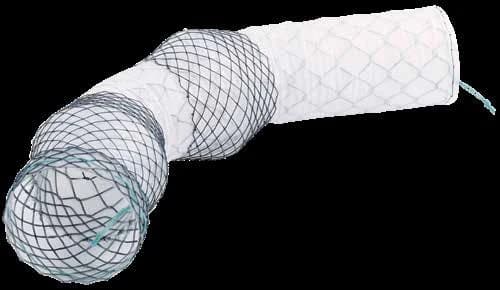
A large-diameter, extra-long esophageal stent designed to manage leaks or fistulas after laparoscopic sleeve gastrectomy by spanning from the distal esophagus into the duodenum.
Specially designed soft, flexible body adapts to the acute post-sleeve-gastrectomy anatomy
Large diameter and long length help prevent migration
Full silicone covering allows easy removal
Radiopaque markers: 4 at both ends and 2 in the middle
Sizes: Diameter 22-28mm, Length 18cm or 23cm (20Fr delivery, 70cm)
A double-layered esophageal stent for leaks or fistulas after bariatric surgery, with retrieval strings on both ends and flexible unfixed-cell construction for tortuous anatomy.
Both distal and proximal retrieval strings allow easy removal or repositioning
Outer double silicone-covered layers prevent migration and substance contact at the leak/fistula
Flexible, unfixed-cell construction conforms to tortuous anatomy
Radiopaque markers: 4 at both ends and 3 in the middle of each ring
Esophageal Stent Delivery Systems (Proximal Release / Through-The-Scope)
Taewoong Medical (Niti-S)
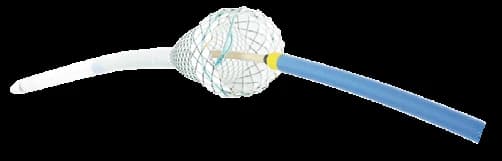
Alternative delivery platforms offered for the Niti-S esophageal stent range: a proximal-release system for accurate positioning relative to the proximal tumor margin, and a Through-The-Scope (TTS) system for tight, narrow or tortuous anatomy.
Proximal release enables placement with consideration of the proximal tumor margin, recommended for upper strictures
TTS system preloaded on a 10.5Fr delivery system for endoscope-channel deployment
Practical solution for tight, narrow or tortuous anatomies
Yellow marker on the inner sheath for accurate placement under endoscopic visualization
Sizes: N/A - accessory delivery platforms for esophageal stent range
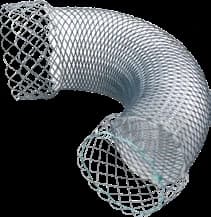
An uncovered, weaving-construction duodenal stent for malignant gastric outlet obstruction, designed to maximize conformability and minimize perforation risk in the tortuous duodenum.
Unfixed cell weaving construction maximizes conformability
Optimal combination of radial and axial force maintains patency in tortuous anatomy
Reduces risk of migration and perforation
Radiopaque markers: 4 at both ends and 2 in the middle
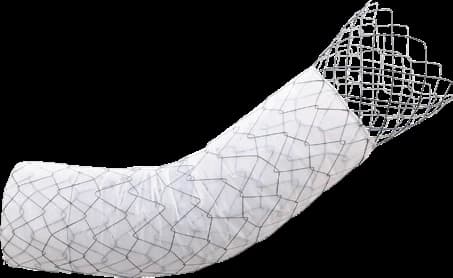
A triple-layered partially covered duodenal stent for malignant gastric outlet obstruction, combining an unfixed-cell mesh with a PTFE membrane to resist tumor ingrowth while conforming to tortuous anatomy.
Triple layered construction: PTFE membrane held between inner and outer nitinol mesh
Unfixed cell structure conforms to tortuous anatomy
A triple-layered duodenal stent with an uncovered proximal flare end and reinforced large-cell body, designed for malignant gastric outlet obstruction with reduced migration and fracture risk.
Triple layered construction with an uncovered proximal flare end to reduce migration
Large-cell body with thick wires reduces fracture risk and enhances radial force
Large diameters (up to 26mm) loaded into a 10.5Fr delivery system
Minimum foreshortening for accurate placement
Radiopaque markers: 3 at the flared end and 2 at both ends of the body
An uncovered, weaving-construction colonic stent for malignant colorectal obstruction, engineered for conformability and low migration/perforation risk in tortuous colonic anatomy.
Unfixed cell weaving construction maximizes conformability
Optimal combination of radial and axial force maintains patency in tortuous anatomy
Reduces risk of migration and perforation
Radiopaque markers: 4 at both ends and 2 in the middle
A triple-layered partially covered colonic stent for malignant colorectal obstruction, combining a PTFE membrane with an unfixed-cell nitinol mesh to resist tissue ingrowth and migration.
Triple layered construction: PTFE membrane held between inner and outer nitinol mesh
Unfixed cell structure conforms to tortuous anatomy
A triple-layered colonic stent with an uncovered proximal flare end and reinforced large-cell body, designed for malignant colorectal obstruction with reduced migration and fracture risk.
Triple layered construction with an uncovered proximal flare end to reduce migration
Large-cell body with thick wires reduces fracture risk and enhances radial force
Large diameters (up to 26mm) loaded into a 10.5Fr delivery system
Minimum foreshortening for accurate placement
Radiopaque markers: 3 at the flared end and 2 at both ends of the body
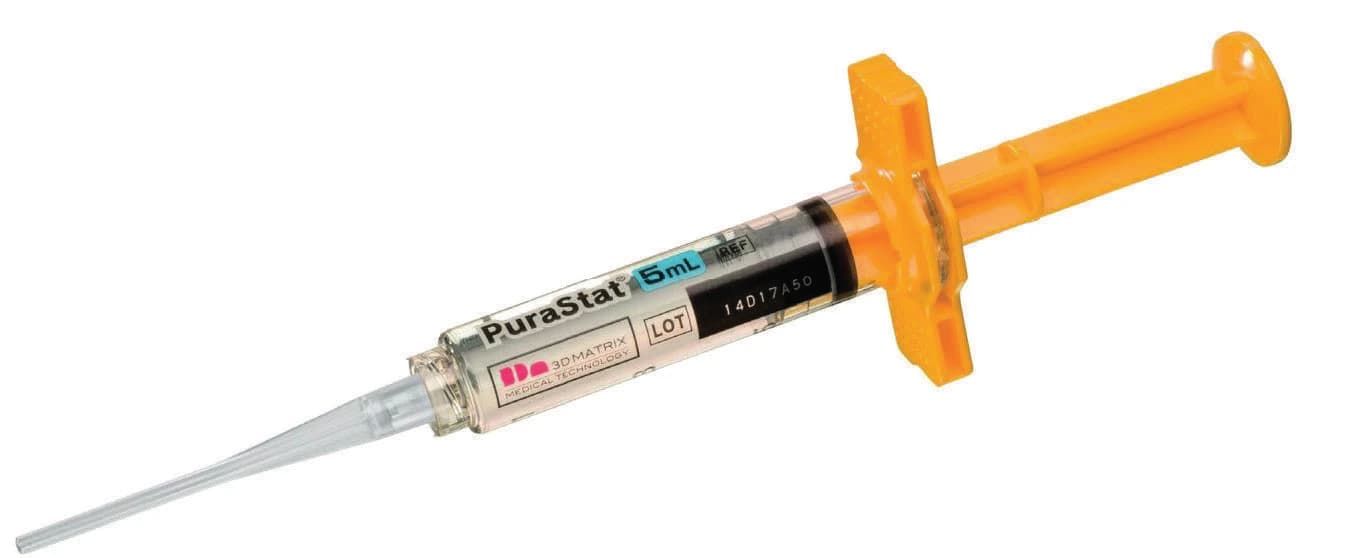
A transparent, bioresorbable haemostatic gel made of synthetic peptides. On contact with blood, the peptide solution self-assembles into a 3-dimensional nanofiber scaffold that forms a physical barrier over the bleeding site — used for haemostasis during surgery and to reduce delayed bleeding after GI endoscopic submucosal dissection (ESD).
Transparent gel maintains a clear view of the bleeding site
Single prefilled, ready-to-use syringe — no preparation required
Reapplicable and removable during the same procedure
Synthetic, biocompatible peptide; non-swelling and inert
Suitable for endoscopic/laparoscopic use in narrow spaces
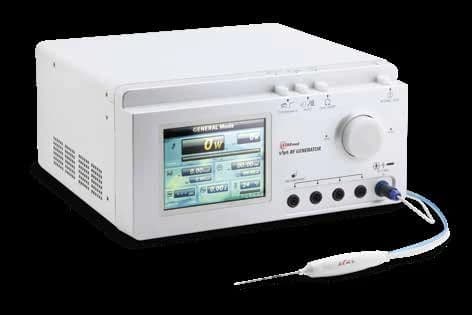
A radiofrequency ablation (RFA) system for minimally invasive treatment of thyroid nodules, comprising a complete range of purpose-built electrodes (VIVA, STAR Fixed, Bipolar, Uni-Faced and Injectable) and an advanced RF generator. Backed by more than 60 published clinical studies demonstrating reduction in thyroid nodule size and improved symptom, cosmetic and quality-of-life scores.
Sharp electrode tip needs no incision, with clear tip visualization on ultrasound
Smooth control for the 'Moving Shot' ablation technique
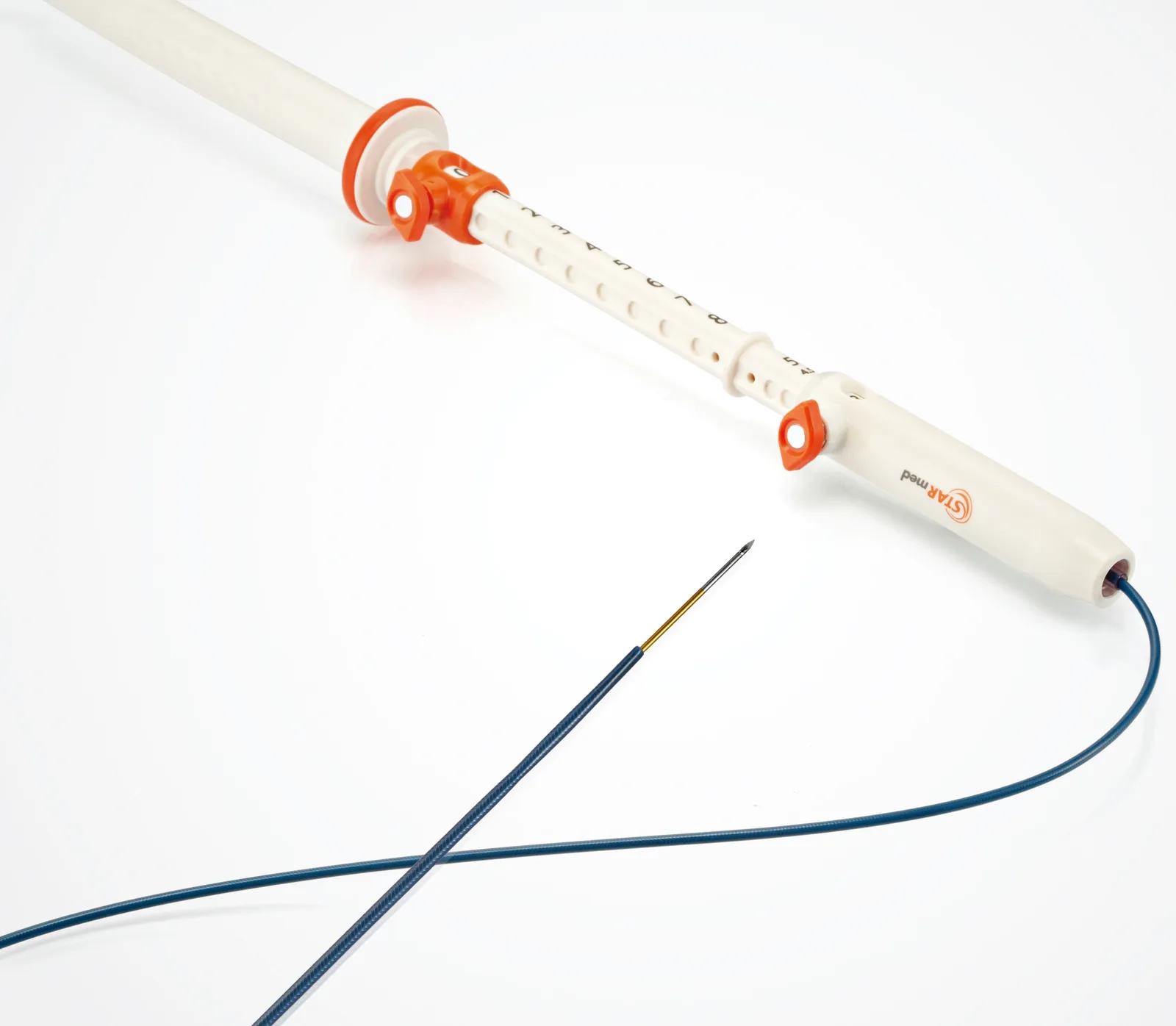
Endoscopic Ultrasound-guided Radiofrequency Ablation (EUS-RFA) electrode for feasible, safe ablative treatment of locally advanced unresectable pancreatic cancer, pancreatic neuroendocrine tumours and cystic neoplasms. Delivered through a 19G or 18G needle under EUS guidance and compatible only with STARmed VIVA Combo™ generators.
Feasible and safe ablative treatment for locally advanced unresectable pancreatic cancer, neuroendocrine tumours and cystic neoplasms
Easy approach to target lesions with great pushability of the needle
Good echogenicity for a safe procedure under EUS guidance
Inner cooling system ablates large tumour volumes without tissue charring
Monopolar system, compatible with VIVA Combo™ generators only
Sizes: 19G/18G tip diameter; active tip length 5, 7, 10, 15, 20, 25 or 30mm; flexible sheath 1415±10mm